Coins.Game
Coins.Game games span major studios, live tables and provably-fair originals
 Available in US
Coins.Game is best understood as three overlapping game libraries: a large third-party catalogue, a live-casino section supplied by established studios, and a smaller set of provably-fair originals. Published totals vary too widely to support one precise game count, but the named providers and game categories show where the depth comes from and how the sections differ in practice.
- Catalogue sizeThousands of games
- Named providers12 major names in coverage
- Live providersEvolution, Pragmatic Play, TVBet
- OriginalsCrash, Dice, Mines, Plinko and more
On this page
- What the catalogue size really tells you
- Provider mix across the library
- Where live casino fits
- How originals differ from studio games
- A practical way to choose a game
- What provably fair can and cannot show
- Common game questions
Table of Contents
- The catalogue is clearly large even though published totals do not agree
- The provider list covers both mainstream casino software and crypto-focused play
- Live casino adds a different kind of exposure from automated games
- The originals introduce verifiable outcomes, not guaranteed value
- Choose by rules and exposure before choosing by theme
- Provably fair answers one question about integrity, not every question about risk
- Questions about the Coins.Game catalogue
- The strongest distinction is between studio depth, live play and verifiable originals
The catalogue is clearly large even though published totals do not agree
Counts attached to Coins.Game range from roughly three thousand games to figures above five thousand, while some sources count slots separately from the rest of the casino. Those numbers are not directly interchangeable. A total can change depending on whether live tables, duplicate table limits, regional availability or studio variants are counted as separate entries.
The useful conclusion is therefore scale rather than a single total: Coins.Game carries thousands of games and draws from a broad provider mix. That matters more than whether an old catalogue snapshot showed one particular four-digit figure. A large count can improve variety, but it does not tell you anything by itself about game mathematics, volatility or whether a specific title will remain available.
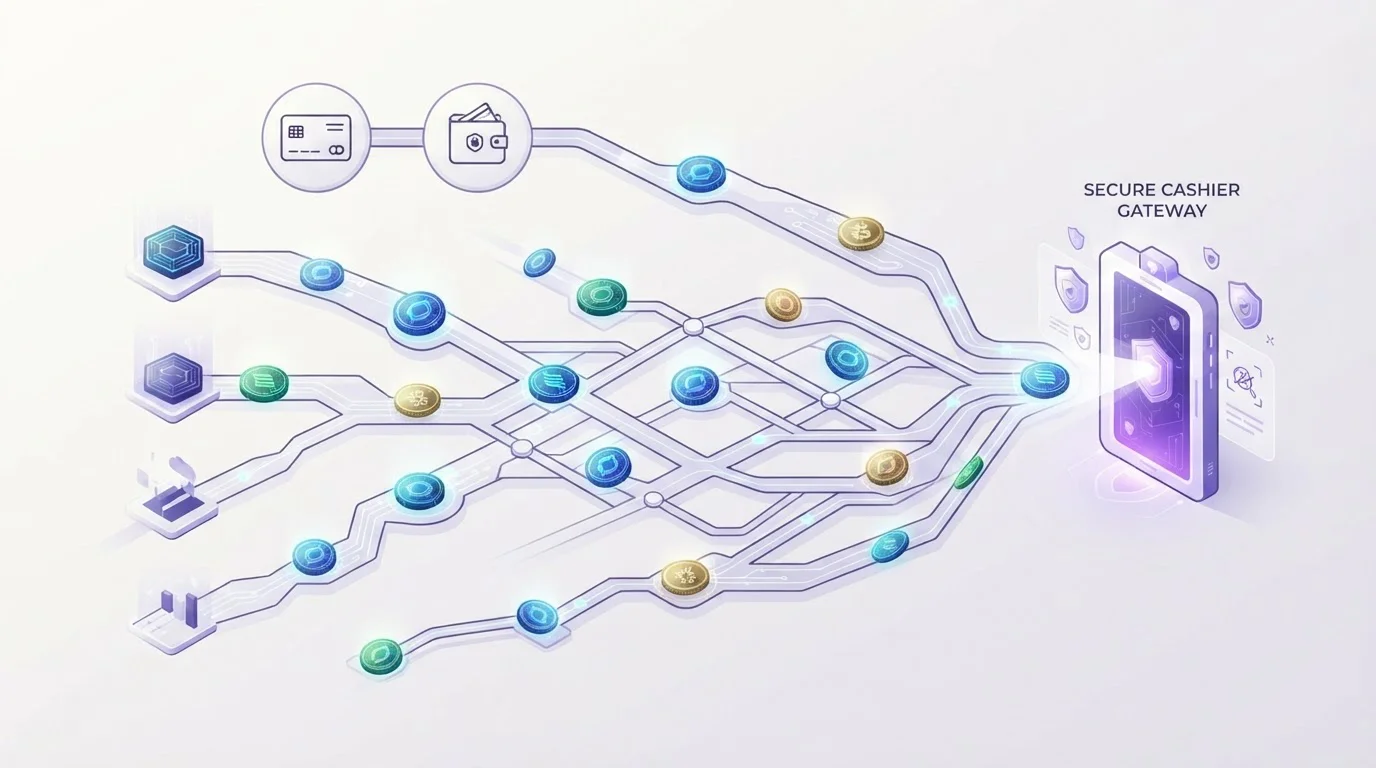
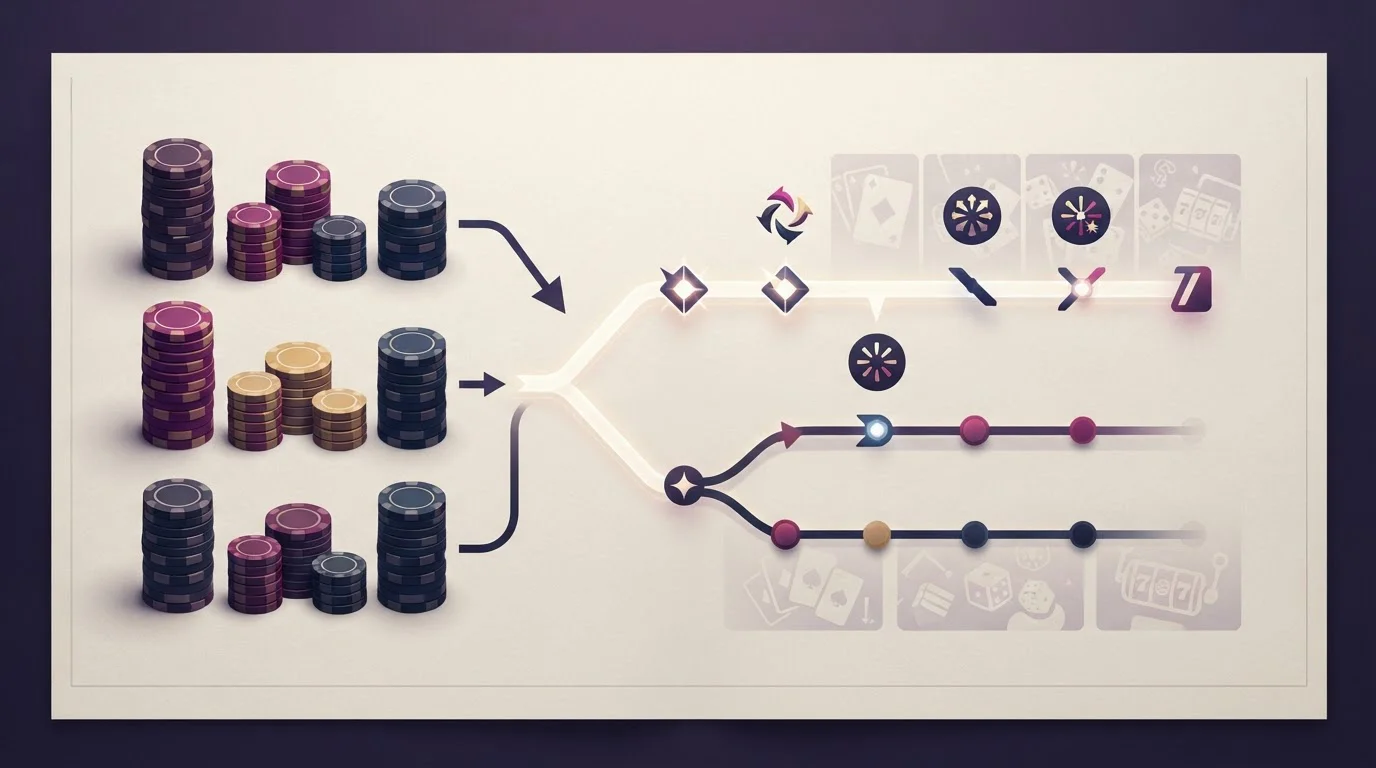
Third-party catalogue
The main library is supplied by external game studios. Provider identity is useful because it helps separate software families, interfaces and game mechanics without treating every title as interchangeable.
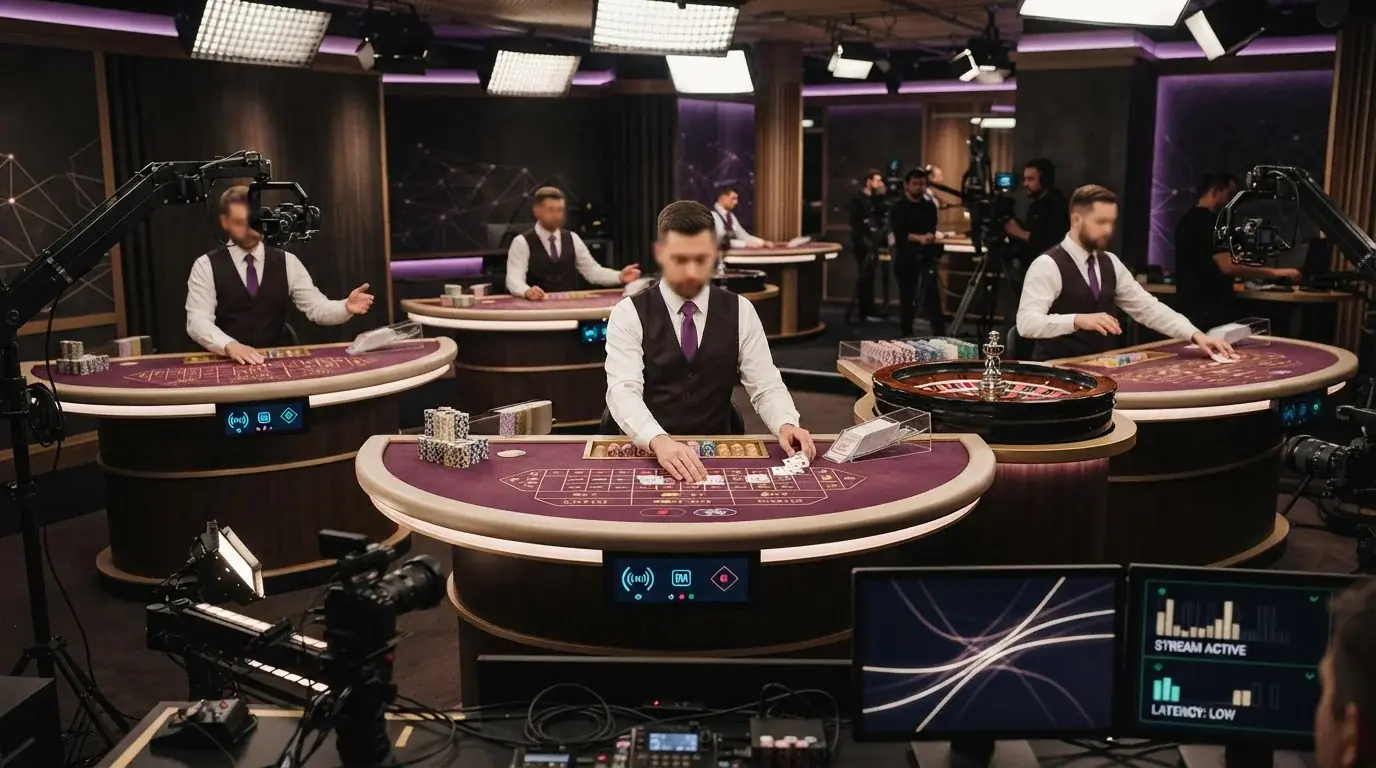
Live casino
Live tables form a distinct part of the catalogue with named suppliers including Evolution Gaming, Pragmatic Play and TVBet. The experience depends on table rules, streaming quality and session pace rather than slot-style spin cycles.
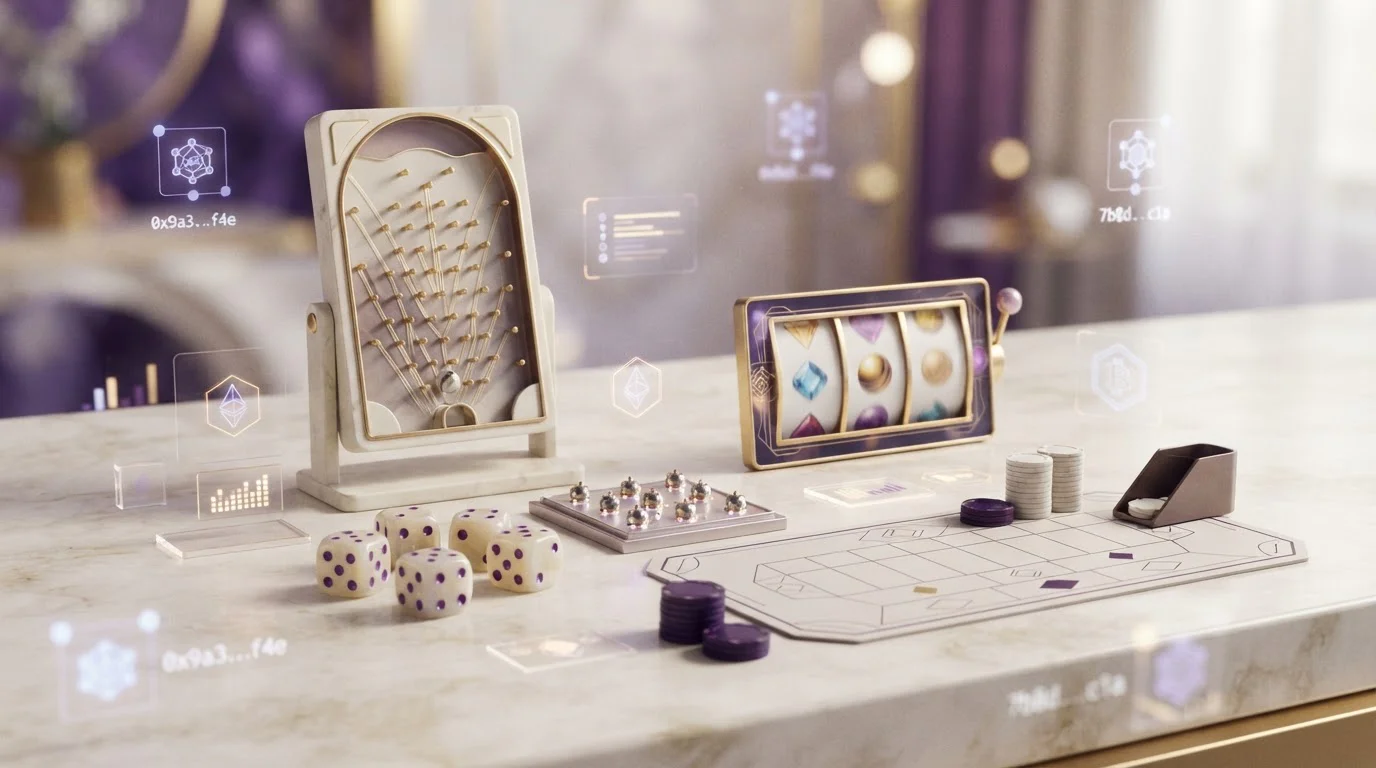
Provably-fair originals
Coins.Game also carries crypto-native originals such as Crash, Dice, Mines and Plinko. Their distinguishing feature is the ability to verify outcome generation, not a promise of better odds.
A large library is useful for choice, but the strongest way to compare sections is by provider, rules and verification method rather than by catalogue count alone.
The provider list covers both mainstream casino software and crypto-focused play
Named providers in Coins.Game coverage include Pragmatic Play, Evolution, NetEnt, Yggdrasil, BGaming, Microgaming, Red Tiger, Play’n GO, Endorphina, Betsoft, Platipus and TVBet. Sources disagree on the total number of providers, so the named list is more informative than a disputed provider count.
| Provider group | Names appearing in Coins.Game coverage | What to compare before playing |
|---|---|---|
| Broad casino catalogue | NetEnt, Yggdrasil, BGaming, Microgaming, Red Tiger, Play’n GO, Endorphina, Betsoft, Platipus | Game rules, volatility information where displayed, paylines or mechanics, and any bonus contribution rules. |
| Casino + live presence | Pragmatic Play | Whether you are entering a standard game or a live table, because session pace and rule presentation differ. |
| Live-focused presence | Evolution Gaming, TVBet | Table rules, limits shown in the interface, stream stability and the pace of repeated bets. |
Provider recognition is a navigation aid, not a substitute for reading the game panel. Two games from the same studio can have very different mechanics. Likewise, the same broad game format can be implemented differently by different suppliers. If a bonus is active, the Coins.Game bonus guide is also relevant because wagering conditions can change how much qualifying play is required.
Live casino adds a different kind of exposure from automated games
Coins.Game has a dedicated live-casino offering supplied by Evolution Gaming, Pragmatic Play and TVBet. One catalogue review counted more than 502 live tables. Treat that figure as a snapshot of the catalogue at the time of review rather than a permanent total, because table availability can change as sessions open, close or rotate.
What provider names tell you
- You can identify which studio operates the table before committing a stake.
- Different suppliers can present rules and side features differently.
- A separate live section makes it easier to compare table formats away from slot-style games.
What the headline table count does not tell you
- Which table limits will suit a particular bankroll.
- How stable a stream will be on your device and connection.
- How quickly repeated bets can accumulate during a fast session.
The dedicated Coins.Game live casino guide goes deeper into table selection, provider identity, latency and session control without assuming unsupported table limits or game-by-game rules.
The originals introduce verifiable outcomes, not guaranteed value
Coins.Game originals listed in coverage include Crash, Dice, Mines, Plinko, Doge Racer, Ethereum Rush and Bitcoincash. One catalogue review also describes 16 Jetgames titles. The important distinction is that the originals are presented as provably fair, giving players a way to check the integrity of an outcome calculation after play.
Crash
Listed as a Coins.Game original with provably-fair mechanics.
Dice
Listed among the provably-fair originals.
Mines
Listed among the provably-fair originals.
Plinko
Listed among the provably-fair originals.
Other named originals
Doge Racer, Ethereum Rush and Bitcoincash.
Outcome verification is narrower than game value. A valid hash or seed check can show that a completed result matches the underlying cryptographic process, but it does not establish that the payout table is generous or that short-term losses will be small. Coins.Game coverage does not provide a brand-specific RTP or house-edge figure for these originals, so those numbers should be read from the current game interface when they are available.
The Coins.Game originals guide explains the verification concept in more detail and separates fairness checks from RTP and variance.
Choose by rules and exposure before choosing by theme
A large game lobby encourages browsing by artwork, provider or novelty. A more disciplined selection process starts with the mechanics that affect how quickly money can move. The same bankroll can behave very differently across a slow table, a fast automated game and a high-variance original.
- Identify the game source. Note the provider or whether the title is one of the provably-fair originals.
- Open the rules before staking. Look for payout logic, bet sizing and any information about RTP or house edge shown by the game itself.
- Estimate session pace. Faster repeated decisions can produce much more turnover in the same amount of time.
- Check bonus interaction. If bonus funds are active, confirm how the game contributes to wagering rather than assuming all titles count equally.
- Set a cash limit independently of the game. A provably-fair mechanism or familiar provider does not remove normal gambling risk.
Game verification, studio reputation and catalogue size do not turn gambling into an investment. Results remain uncertain, and repeated play can accumulate losses quickly.
Provably fair answers one question about integrity, not every question about risk
Provably-fair systems generally combine player- and server-side inputs so a completed outcome can be checked against a cryptographic commitment. The value of that design is auditability: it can make hidden post-bet manipulation harder because the committed data can be compared with the revealed result.
That check does not tell you the expected return unless the game also exposes the relevant probability or payout structure. Nor does it remove variance. A sequence can be mathematically fair and still contain long losing runs. For Coins.Game, the fact that provably-fair originals exist is established; a brand-wide audited RTP or house-edge figure is not supplied in the material used here.
What it can establish
Whether the completed outcome matches the committed seed/hash process when the game exposes the information needed for verification.
What it cannot establish
Whether the mathematical edge is low, whether the bet size is appropriate, or what your short-term result will be.
Questions about the Coins.Game catalogue
How many games does Coins.Game have?
Published counts differ substantially, so the clearest description is thousands of games rather than one fixed total.
Which game providers appear at Coins.Game?
Named providers include Pragmatic Play, Evolution, NetEnt, Yggdrasil, BGaming, Microgaming, Red Tiger, Play’n GO, Endorphina, Betsoft, Platipus and TVBet.
Does Coins.Game have live casino games?
Yes. Live-casino coverage names Evolution Gaming, Pragmatic Play and TVBet. One catalogue review counted more than 502 live tables at the time of its review.
Does Coins.Game have provably-fair originals?
Yes. The originals listed in coverage include Crash, Dice, Mines, Plinko, Doge Racer, Ethereum Rush and Bitcoincash.
Does provably fair mean a game has a low house edge?
No. Provably-fair verification concerns the integrity of an outcome calculation; it does not by itself establish the RTP, house edge or volatility of a game.
Read next
- Coins.Game live casino
- Coins.Game provably-fair originals
- Bonus wagering and game exposure
- Coins.Game review
The strongest distinction is between studio depth, live play and verifiable originals
Coins.Game has enough provider breadth to offer a large third-party catalogue, while its live section and provably-fair originals create two clearly different ways to play. The published total game count is less useful than those structural differences. Provider identity helps you understand the software source, live tables change session pace and interaction, and provably-fair originals add outcome verification without changing the basic need to check odds, rules and bankroll exposure.
Created by the ”Coins.game” editorial team.