Coins.Game
Coins.Game License 2026
 Available in US

Coins.Game is operated by Royal Way Limited, incorporated in Comoros. Most independent coverage identifies the casino with an Anjouan licence in the Union of the Comoros and cites licence number ALSI-202410033-FI2. One source instead names a Curaçao permit, so the licensing trail needs to be read as an Anjouan-dominant picture with a jurisdiction conflict rather than as a perfectly uniform record.
On this page
- Operator and licence details
- Why the jurisdiction conflict matters
- What offshore regulation changes
- How a dispute path works
- Terms and complaint signals
- Practical checks before depositing
- Questions about the Coins.Game license
- The licensing trade-off in one view
Table of Contents
- Royal Way Limited sits behind an Anjouan-dominant licensing record
- One Curaçao citation does not erase the Anjouan evidence, but it does create a record conflict
- Offshore regulation changes the distance between a player and the dispute authority
- A strong dispute file starts before the regulator is involved
- Complaint records and T&C analysis add context that the licence number cannot provide
- Three checks reduce uncertainty before money reaches the cashier
- Questions about the Coins.Game license
- Coins.Game has an identifiable offshore licence, but dispute leverage remains limited
Royal Way Limited sits behind an Anjouan-dominant licensing record
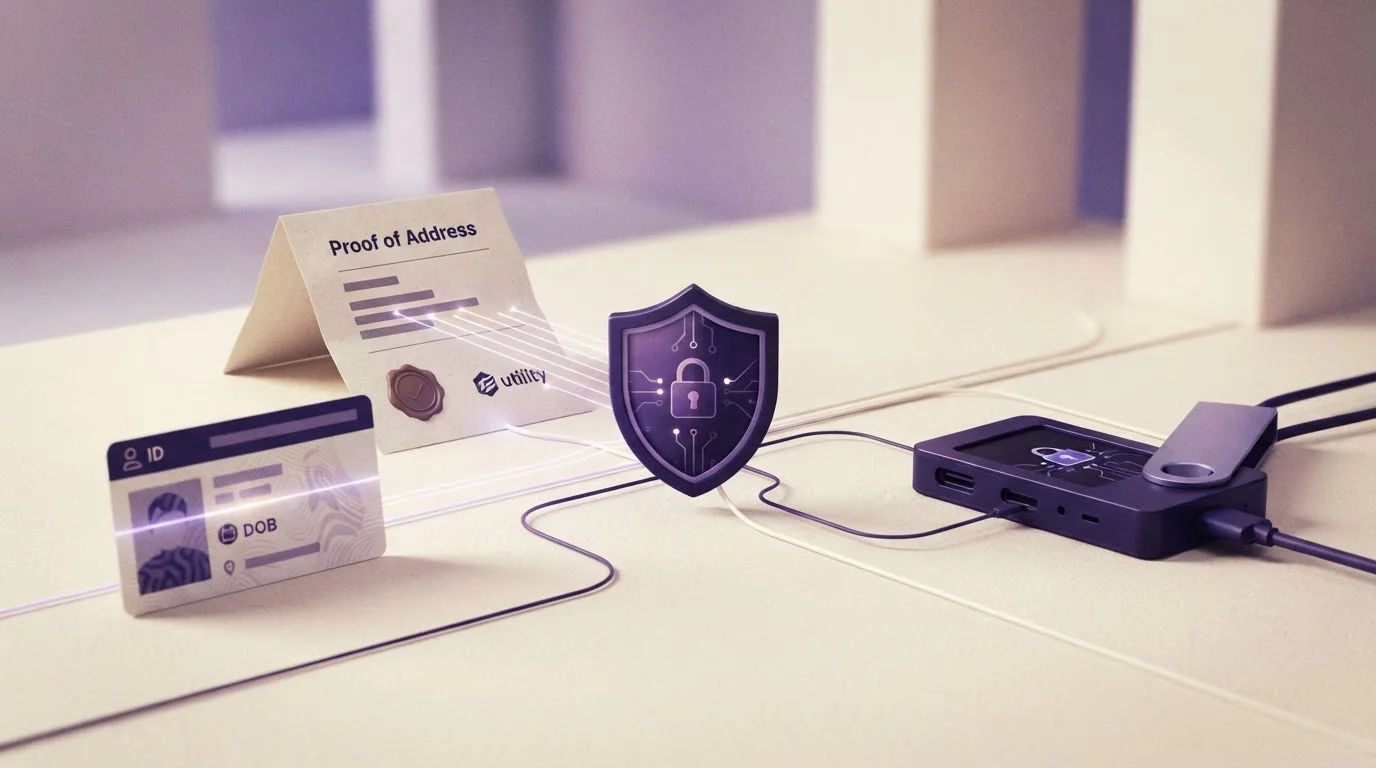
The operator identity is Royal Way Limited, incorporated in Comoros. The licensing record most often attached to Coins.Game is Anjouan, also in the Union of the Comoros, with the number ALSI-202410033-FI2.
- OperatorRoyal Way Limited
- Company jurisdictionComoros
- Dominant licence jurisdictionAnjouan
- Licence numberALSI-202410033-FI2
The operator and licence point to the same island state
Royal Way Limited is incorporated in Comoros, while the dominant licence reference is Anjouan, one of the islands within the Union of the Comoros. That alignment makes the Anjouan record the main regulatory frame attached to the brand.
The licence number is specific enough to preserve
Independent coverage cites ALSI-202410033-FI2. One source also gives 27 October 2026 as an expiry date. Because the expiry date appears only once in the material, the durable identifier is the licence number rather than a date that can change with renewal.
The record is offshore rather than Tier-1
No MGA or UKGC licence is stated for Coins.Game. Anjouan is an offshore gambling jurisdiction, which means the protections and escalation route differ from the frameworks players may know from tightly regulated national markets.
The licence answers only part of the risk question. It establishes a regulatory framework for the operator, but it does not create a local consumer-protection authority in every country where a player might live.
One Curaçao citation does not erase the Anjouan evidence, but it does create a record conflict
Most independent sources in the Coins.Game record identify Anjouan. One source instead cites Curaçao permit 1668/JAZ. Those statements cannot both be treated as the same licence, and merging them into a single jurisdiction would hide the disagreement.
The useful way to read that conflict is chronological and practical rather than rhetorical. Casino licensing can change over time, review pages can retain older operator details, and different publishers may capture different versions of a terms page. The conflict therefore matters most when a player needs to know which authority should receive a complaint now.
| Record element | Published detail | Practical consequence |
|---|---|---|
| Primary jurisdiction | Anjouan, Union of the Comoros | Use the Anjouan licence trail as the main reference attached to Coins.Game. |
| Licence number | ALSI-202410033-FI2 | Keep the identifier with any dispute documentation. |
| Conflicting citation | Curaçao permit 1668/JAZ in one source | Do not assume every older review points to the same current regulator. |
| Expiry date mentioned once | 27 October 2026 | Treat the date as time-sensitive rather than as a permanent property of the licence. |
If a dispute reaches the regulator stage, use the licence and operator details shown in the casino’s current terms and account correspondence rather than relying on an old review alone. The Anjouan record is dominant in the material, but the Curaçao citation shows why the authority name should be checked at the point of escalation.
Offshore regulation changes the distance between a player and the dispute authority
Anjouan is an offshore gambling jurisdiction. For an international player, that means the casino can have a licence while still sitting outside the player’s own national gambling framework. A licence is therefore not the same thing as local legal availability, and it does not guarantee access to a familiar domestic ombudsman or regulator.
Whether you may lawfully use an offshore casino depends on the gambling laws where you live. The relevant age, access and consumer-protection rules can differ sharply by country. A global casino licence cannot override those local rules.
What a licence can establish
- An identifiable operator stands behind the casino.
- A named licensing jurisdiction and licence number exist in the published record.
- A regulator-facing escalation path may exist beyond ordinary support.
- Terms and account conduct can be assessed against the operator’s stated licence framework.
What it does not solve automatically
- It does not make the casino legal in every player’s country.
- It does not turn an offshore regulator into a local consumer authority.
- It does not guarantee that a withdrawal or account dispute will be resolved in the player’s favour.
- It does not remove the need to keep records of transactions, terms and support messages.
That distinction becomes more concrete when money is involved. The Coins.Game withdrawal guide deals with timing, verification and cashout limits, while the account guide explains the identity checks that can occur before the first withdrawal.
A strong dispute file starts before the regulator is involved
The most useful protection in a payment or account dispute is a clear record of what happened. Crypto transactions are especially unforgiving because transfers are generally irreversible, so a transaction hash, wallet address, amount and timestamp can matter as much as an email thread.
- Preserve the transaction trail. Save the deposit or withdrawal identifier, wallet address, asset, network shown in the cashier, amount and any on-chain transaction hash.
- Save the terms that applied. Keep the bonus, withdrawal or account clause connected to the disputed action. If the issue concerns a promotion, capture the wagering and activation conditions that were shown when it was accepted.
- Complete support escalation in writing. Ask for the reason for any hold, rejection, account closure or balance adjustment and keep the reply. Written explanations are easier to compare with the terms than a verbal exchange.
- Match the regulator to the current licence record. The dominant Coins.Game record points to Anjouan and licence ALSI-202410033-FI2, but the separate Curaçao citation is a reason to confirm which authority is named in the current operator documents before filing externally.
- Check your local legal route as well. An offshore licensing process does not replace any rights or restrictions that apply in your own country. Local consumer or legal advice may be relevant for larger disputes.
Operator identity
Royal Way Limited
Main licence reference
Anjouan, Union of the Comoros
Licence identifier
ALSI-202410033-FI2
Conflicting regulator reference
Curaçao permit 1668/JAZ appears in one source
Local legality
Depends on the player’s own jurisdiction and cannot be inferred from an offshore licence alone
Complaint records and T&C analysis add context that the licence number cannot provide
AskGamblers lists Coins.Game with an expert score of 6.9/10 and a player score of 6.5/10 across 31 reviews, plus 20 complaints and an average response time of about one day. The complaint themes include delayed verification, account closures without clear explanations and disputed funds. Those records do not establish the outcome of every individual case, but they show where friction has repeatedly surfaced.
Wizard of Odds is more critical, giving Coins.Game 2.4/5 with a D++ grade and declining to endorse the casino. Its terms analysis highlights clauses connected with voiding bets after T&C breaches, rejecting withdrawals in some deposit-versus-play situations and applying individual daily limits. Those are contractual issues rather than licence facts, but they matter because a regulator dispute often turns on what the operator’s terms permit.
Verification can turn a routine cashout into an account review
Coins.Game is described as requiring identity verification before the first withdrawal. Complaints and reviews also describe much longer waits when checks become more intensive, so a payment dispute may involve both the cashier and the account-verification process.
Contract wording can matter before any regulator looks at fairness
If a casino cites a clause to void bets, restrict a withdrawal or close an account, the first question is what the accepted terms actually say. Saving the version that applied at the time gives any later complaint a concrete reference point.
The broader Coins.Game review places these trust signals next to the casino’s payments, games and account features. On this page, the narrower point is that an offshore licence should be read together with complaint history and contractual enforcement rather than as a standalone safety badge.
Three checks reduce uncertainty before money reaches the cashier
Licensing information is most useful when it changes what you do. Before depositing, the practical checks are simple: know the operator identity, record the licence details, and read the terms that can affect withdrawals or bonus funds.
- Match the operator name Royal Way Limited to the terms shown when you create or use the account.
- Keep the Anjouan licence number ALSI-202410033-FI2 with your account records if it is the licence shown in the current operator material.
- Read withdrawal, verification, account-closure and bonus clauses before committing funds that may later be disputed.
- Check the gambling laws and help resources in your own country rather than assuming an offshore licence settles local legality.
- Use crypto only with addresses and networks you have checked carefully; blockchain transfers are generally irreversible.
For a smaller test deposit, the objective is not to prove that every future withdrawal will be frictionless. It is to confirm that the account, cashier, network route and verification expectations behave as described before a larger balance is involved.
Questions about the Coins.Game license
Who operates Coins.Game?
Coins.Game is operated by Royal Way Limited, a company incorporated in Comoros.
Which license is associated with Coins.Game?
Most independent coverage identifies an Anjouan license in the Union of the Comoros, with license number ALSI-202410033-FI2. One source instead cites a Curaçao permit, so the jurisdiction trail is not completely uniform across published material.
What is the Coins.Game license number?
The Anjouan license number cited in independent coverage is ALSI-202410033-FI2.
Does an offshore license make Coins.Game legal everywhere?
No. An offshore license does not determine whether gambling is lawful for every player. The rules that apply depend on the player’s own country or jurisdiction.
What should a player keep if a dispute arises?
Keep transaction identifiers, account messages, relevant terms, verification requests and support replies. Those records help show what happened if the issue has to be escalated beyond normal support.
Read next
- Coins.Game review and risk overview
- How Coins.Game account verification works
- Coins.Game withdrawal timing and limits
Coins.Game has an identifiable offshore licence, but dispute leverage remains limited
Royal Way Limited and the Anjouan licence number give Coins.Game a specific operator and regulatory trail. The complication is that one source points to a Curaçao permit instead, while complaint and terms analyses raise separate concerns around verification, withdrawals and contractual enforcement. For an international player, the practical consequence is clear: keep records, verify the current regulator before escalation, and do not confuse an offshore licence with local legal protection in your own country.
Published by the Coins.game team.